
NEWS
Preservation Advocacy: Protect Section 106
Proposed changes to review process for historic places remove thoughtful input.
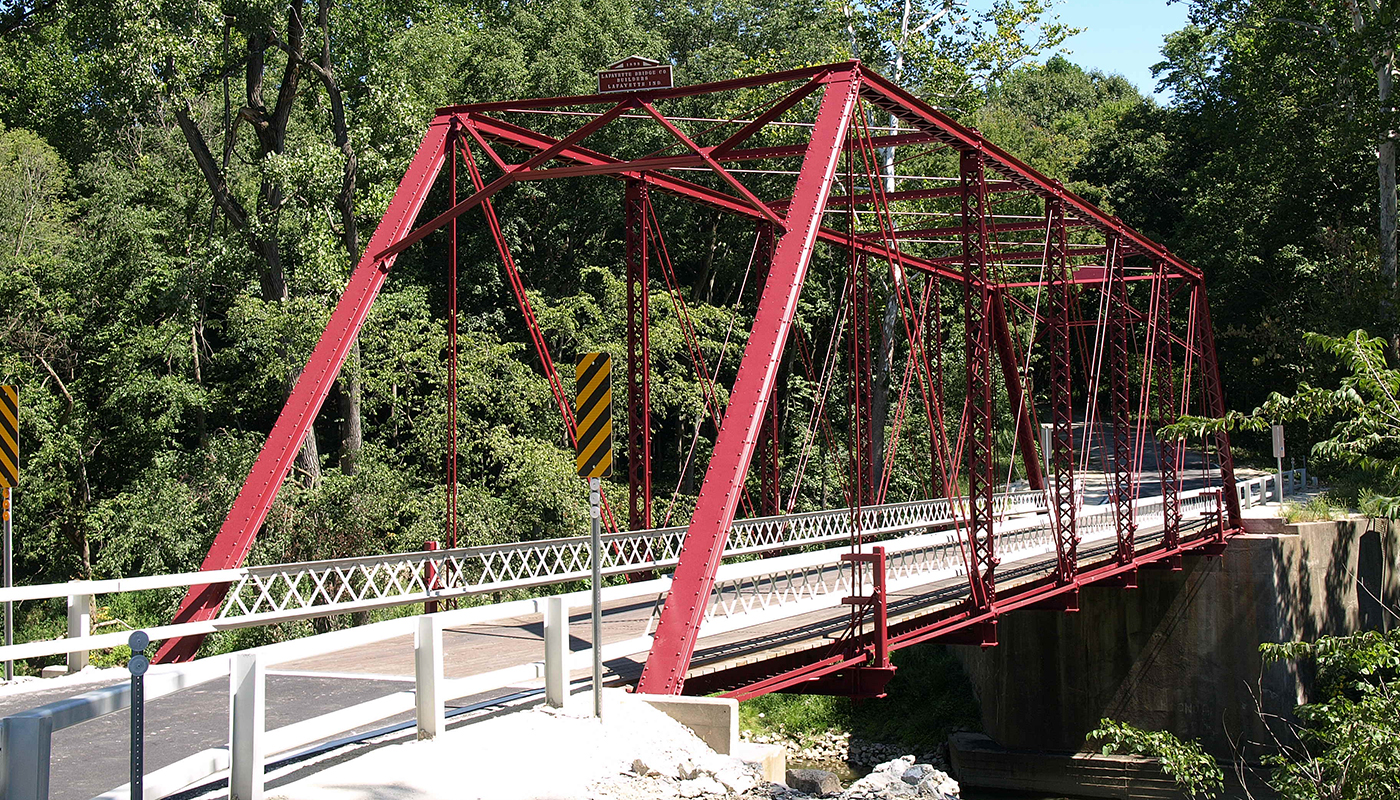
Editorial: Don’t silence public on decisions that shape communities
Brad Ward, Indiana Landmarks President
In 1966, Congress created Section 106 of the National Historic Preservation Act in response to a hard lesson. During an era of rapid urban renewal and highway construction, countless neighborhoods, historic places and community landmarks were demolished with little opportunity for the public to understand, question or influence decisions that would permanently alter the places they called home.
Here in Indianapolis, we now recognize the enduring consequences of construction of interstates 65 and 70 through downtown neighborhoods and the profound, ongoing disruption that followed.
Today, Section 106 ensures that before federally funded or federally permitted projects move forward, agencies must consider impacts on historic places and the communities connected to them. It’s not about stopping progress. Instead, it fosters thoughtful collaboration, leading to more effective and valuable outcomes for communities. The law ensures the public has a voice, allows agencies to explore alternatives and helps decision-makers understand more fully what could be lost.
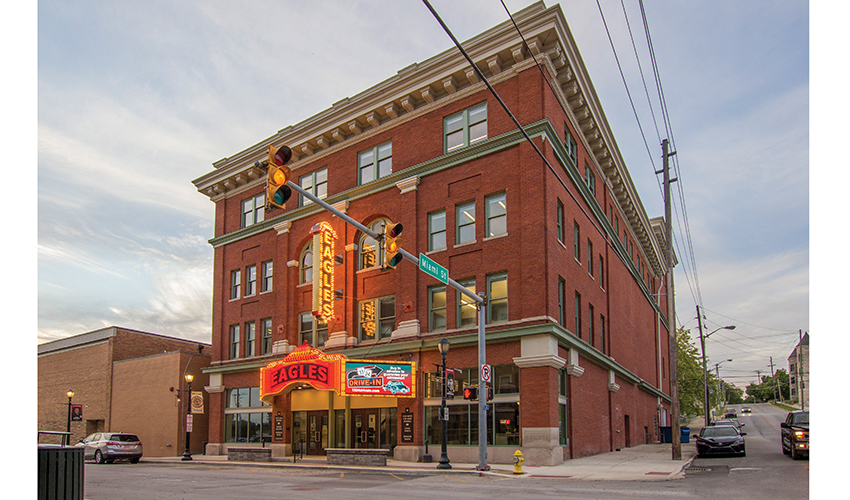
When the Honeywell Foundation embarked on a $16 million rehabilitation of Wabash’s Eagles Theater in 2017, the Section 106 review process ensured collaboration between local stakeholders and state and federal agencies in preserving the 1906 theater while adding modern systems and improving accessibility. PHOTO Courtesy Honeywell Foundation
However, proposed changes to that longstanding framework could dramatically reduce transparency, public involvement and accountability.
The federal Advisory Council on Historic Preservation recently suggested changes to Section 106 that give federal agencies much more power to decide whether a project needs a historic preservation review at all, meaning potential damage to historic places might never be identified, studied or discussed before decisions are made and history is literally demolished.
These changes are concerning not simply as a matter of historic preservation but because they call into question whether Americans will continue to have a meaningful voice when federal actions permanently reshape their communities.
Put simply, the proposal would move Section 106 away from an open, collaborative process and toward one controlled more by federal agencies, with less transparency and input from the people and places most affected. State and local governments could be cut out of a process they have been part of for 60 years, and public input could become optional instead of expected. Some federally funded or federally approved projects could skip review entirely.
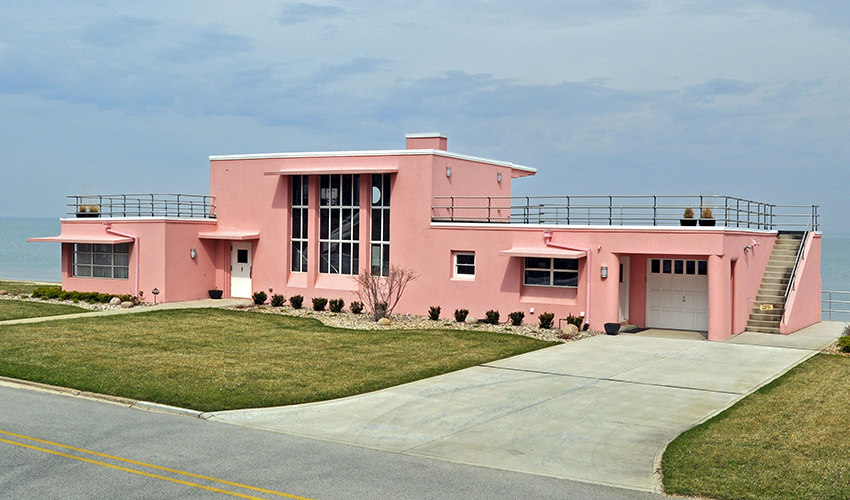
Section 106 collaboration played a key role in saving the 1933 Century of Progress Houses in the Indiana Dunes National Park, including the Florida-Tropical House (pictured). PHOTO: Lee Lewellen
For decades, Section 106 has helped preserve thousands of historic buildings, neighborhoods, landscapes, archaeological sites and cultural landmarks — places that strengthen local economies through heritage tourism, support neighborhood revitalization and connect generations through shared history.
Just as important, Section 106 has helped encourage better design, identifying potential conflicts before they become costly mistakes and finding practical solutions that balance development with stewardship. Progress and preservation are not opposing forces. The success of Section 106 has been its ability to ensure that both are considered together.
When a proposal to widen streets through Goshen’s National Register-listed historic district threatened important historic buildings, Section 106 consultation helped identify an alternative approach: rerouting U.S. 33 around the district. The solution protected the neighborhood’s historic character while addressing local transportation needs.
Elsewhere in Indiana, Section 106 collaboration played a key role in restoring two iconic historic bridges in Carroll County and saving the remarkable Century of Progress homes in Indiana Dunes National Park, along with countless other projects in communities throughout the state.
To most Americans, the term “Section 106” means very little. It is a process that exists in the background, quietly working on their behalf. But if the protections this process provides are weakened in the coming weeks, the consequences will be felt by all of us.
As federal officials weigh these proposed changes, they should remember why the law exists in the first place. Americans deserve more than a notification after decisions have been made. They deserve a seat at the table.
We must make sure our congressional representatives know the future of our communities should not be determined behind closed doors. It should be shaped through the open, transparent and collaborative process that Section 106 has provided for generations.
Find resources and more ways to take action from our friends at the National Trust for Historic Preservation at savingplaces.org/section106.
Stay up to date on the latest news, stories, and events from Indiana Landmarks, around the state or in your area.