
NEWS
Examining the Legacy of South Bend’s Better Homes
Facing discriminatory housing practices, the Black housing cooperative formed to build homes of their own.
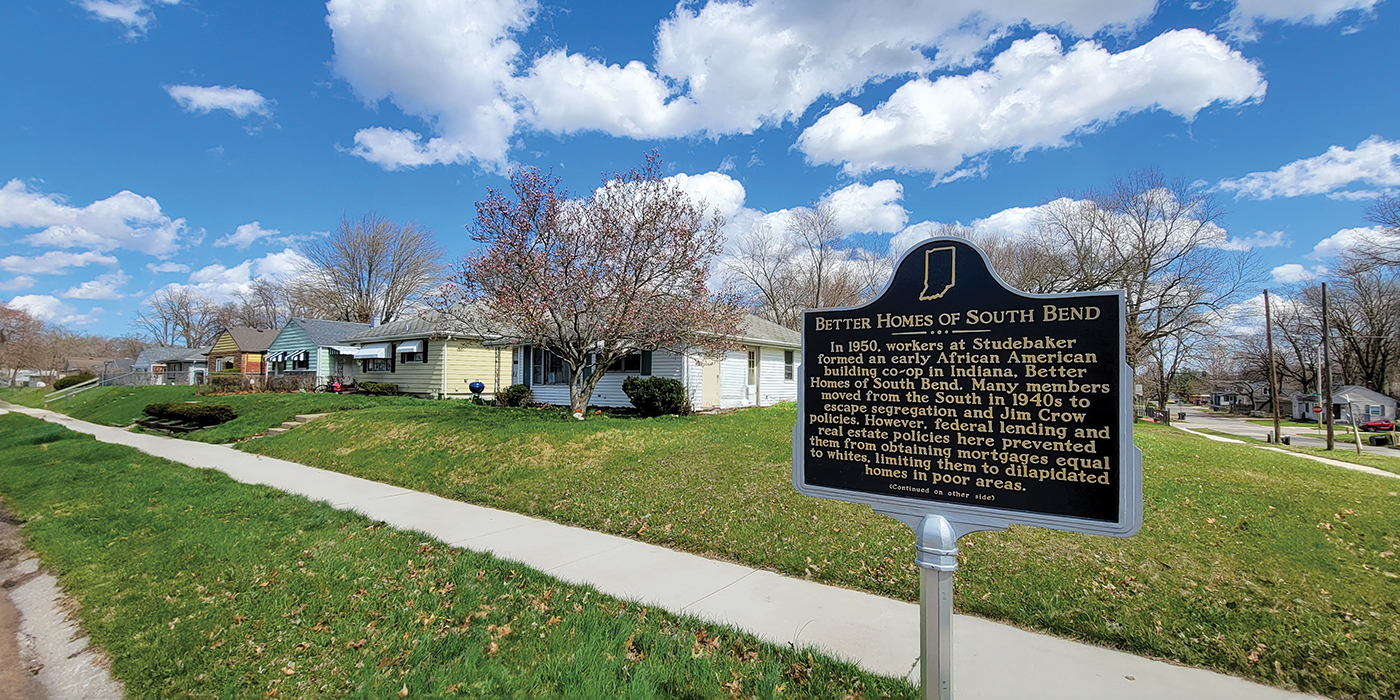
Better Together
While some Indiana companies in the early to mid-twentieth century provided housing, stores, and other amenities for the benefit of their employees, in other places workers banded together to meet their own needs. In the 1940s, Black employees of South Bend’s Studebaker Company faced housing discrimination, resulting in many families living in substandard neighborhoods near the factory on the city’s southwest side. Determined to improve their situation, in 1950 a group of families formed a building cooperative that used secrecy and collective action to create a stable neighborhood and a sense of ownership.
Following the Great Depression, federal housing and real estate policies reinforced racially based guidelines that kept neighborhoods segregated. Even though the U.S. Supreme Court ruled such practices unconstitutional in 1948, standard appraisal practices continued to create barriers to Black homeownership for years afterward. Undeterred, 22 couples, many of them Studebaker workers, formed Better Homes of South Bend. Working with J. Chester Allen, a prominent Black lawyer who championed racial equality, the cooperative secretly acquired undeveloped lots in the 1700 and 1800 blocks of North Elmer Street on the city’s northwest side, concealing the location in meeting minutes for fear the land would be taken from them.
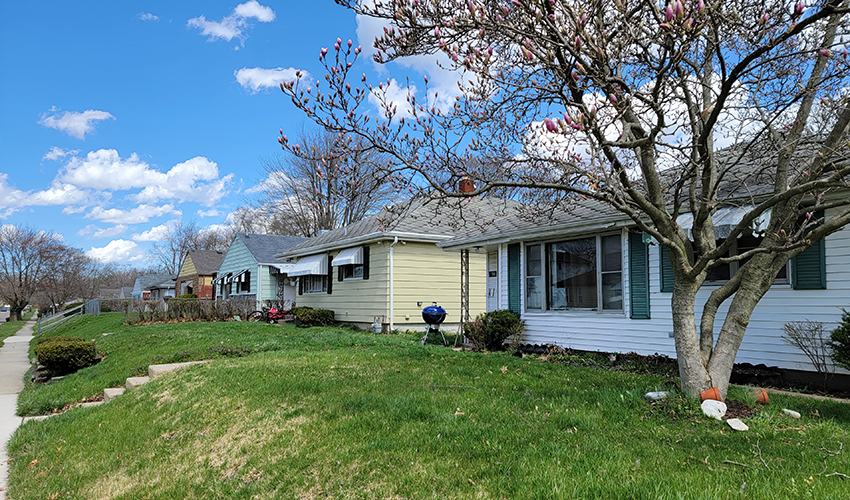
The legacy of South Bend’s Better Homes has inspired both a book and stage play that share its story. PHOTO: Todd Zeiger
Even after securing the land, Better Homes members encountered persistent obstacles, including difficulty obtaining financing, finding contractors willing to do quality work, and convincing the City to install water and sewer lines. Finally in fall 1952, Bland and Rosa Jackson became the first family to move into the neighborhood of modest one-story homes.
“Even as a young kid, I saw how special it was to get a house like this,” says their son, Mike Jackson. “Not everyone built their own house, but we did. We were living a real American story.”
Better Homes’ success prompted children of the founding families and other Black homeowners to build houses a block away on Olive Street, creating a close-knit community. Over time, however, some later generations lost awareness of Better Homes’ origins. That history resurfaced in 2013, when the former home of founding member Leroy Cobb was targeted for demolition, leading Cobb to begin sharing his story. He worked with author Gabrielle Robinson on the 2015 book Better Homes of South Bend: An American Story of Courage, which was later adapted into a stage play.
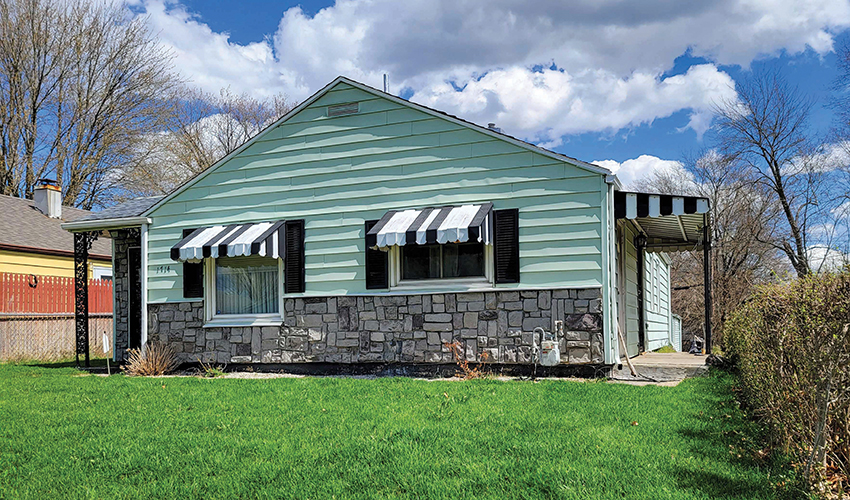
Today, many descendants of the original builders remain connected to the Better Homes neighborhood, where residents have formed an association focused on combating disinvestment by expanding homeownership and supporting affordable housing. PHOTO: Todd Zeiger
“This is a story we need to know, to be inspired by it, since segregation and forms of redlining are still with us,” says Gabrielle Robinson. “It took good organization, secrecy, perseverance, and a bit of serendipity for Better Homes to succeed.”
Unfortunately, Cobb’s home was demolished—the only original Better Home to be lost—and today a historical marker stands on the site to share the neighborhood’s history. Concerned by disinvestment in the area, residents formed a neighborhood association to acquire and maintain vacant lots. The group also aims to buy homes as they come on the market and renovate them, with the goal of creating affordable housing and increasing home ownership in the area.
One association member, Venita Roberts, spent part of her childhood living on Elmer Street with her grandparents, Orbry & Ruth Chambers, members of the original Better Homes families. Her parents Vernard and W. Doris Chambers later built a home of their own on nearby Olive Street. Roberts recently partnered with longtime resident Thelma Williams to reacquire the Olive Street property after it passed out of her family, with the goal of finding a long-term owner who will value the home as much as her parents once did.
“We’d like to see the neighborhood get back to the way it used to be, with more homeownership and not as many rentals,” says Venita Roberts. “I’d love to see it have that close-knit feel we had growing up. It’s important to know your neighbors.”
This article first appeared in the May/June issue of Indiana Preservation, Indiana Landmarks’ member magazine.
Stay up to date on the latest news, stories, and events from Indiana Landmarks, around the state or in your area.